


Heading
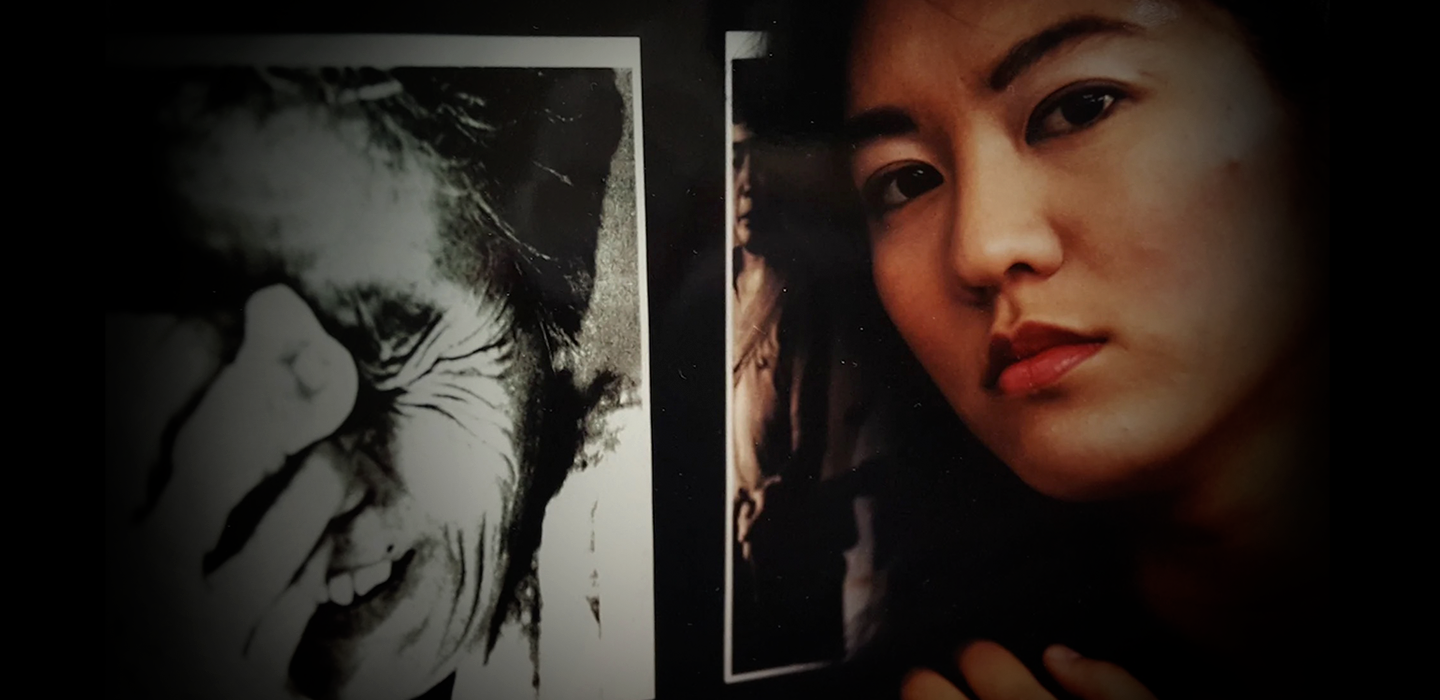
In 2004, 36-year-old Chinese American best-selling author Iris Chang tragically died—her death initially a mystery of global intrigue. Her selfless, bold act of rescuing the almost forgotten history of the Nanjing Massacre, also known as the Rape of Nanking, was believed to be the very thing that killed her, canonizing her as a martyr. This film explores the question: what really killed Iris Chang?
LF TEAM POV
The Level Forward Team was very quickly captivated by IRIS CHANG: POWER OF ONE. The film's story uniquely possesses entertainment, true crime, and an understated poignancy which we believe will impact the viewer and lend itself to further exploration of the connection between subject and storyteller. With an alchemy of mental health, racial justice, history and myth, and generational trauma at its center, we believe the film will provide viewers, buyers, and partners many on-ramps of engagement. While Iris’ story is highly specific to her, the themes carry universal resonance revolving around the “power of one;" a single story with broad resonance.
We have also been really impressed by the filmmaking team, including director Kimberlee Bassford, a newcomer with a clear, strong voice, and a powerful vision. WIth producer Lou Wang-Holborn, they have curated a diverse range of featured characters to bring Iris’ story to life, and provide personal perspectives, including lived experiences, study, and even through comedy.
TIMING
- NOV 2023: Shooting with parallel characters
- SPRING 2024: Incorporate new footage into post along with new animation
- SUMMER 2024: Continued shooting with both parallel and anchor characters
- SPRING 2025: First cut of film prior to festivals and go to market
CREATIVE TEAM & ATTACHED TALENT
- KIMBERLEE BASSFORD • Director
- DANIEL J. CHALFEN • Executive Producer
- BILL GUTTENTAG • Executive Producer
- LOU WANG-HOLBORN • Producer
- MICHAEL CHIN • Director of Photography
- JESSICA LEE SALAS • Editor
SYNOPSIS
When 36-year-old, Chinese American, best-selling author Iris Chang died by suicide in 2004, her death sent shockwaves around the globe. Fans idolized her for rescuing the history she wrote about in The Rape of Nanking: The Forgotten Holocaust of World War II. The book introduced the Western world to the Nanjing Massacre when the Japanese imperial army murdered 300,000 Chinese civilians and raped 20,000 women in six weeks.
Iris became a political activist and sought-after speaker, demanding that Japan take responsibility for its wartime crimes. Her book and activism propelled a global movement for redress, reparations and healing that continues today.
What happens next is initially a mystery: seven years after the publication of her book, Iris is found dead. Controversy swirls: was she murdered? Was her truth to powerful for the world? Or, has it subsumed her?
The film asks us all to consider what really killed Iris Chang?
“The power of one” was Iris’s personal mantra—as in, one individual can do anything, even change the world. This became Iris’s legacy brand, the infamous quote by which she is remembered. But what if the pressure to singularly change the world is part of what killed Iris Chang? Was her death caused by depression and suicide she had internalized from tirelessly dissecting the pain of the victims she wrote about? Was Iris, in fact, the final victim of the massacre? Or was she a martyr manifesting her own fundamental belief in the power of singularity?
Excavating never-before-seen personal writings—including diaries, letters, handwritten notecards, to do lists and goals sheets—found in 400 boxes of Iris’s archives, IRIS CHANG: POWER OF ONE mindfully peels back the polished persona of the focused, determined historian to reveal the pain of trying to attain perfection in isolation and raising provoking questions about achievement, identity, trauma, the agony of mental illness, and the human limits of commitment.
IMPACT THEMES
IAG INSIGHTS
Coming soon
Director/producer impact vision
Coming Soon
IMPACT STRATEGY
There is a rich opportunity to peel back the many layers of subject and storyteller, three of them, in examining the importance of journalism, documentary, mental health, and care. We are interested in partnering with an established journalism program to explore the subject/storyteller relationship and how it can be healthy, productive, and sustainable - particularly as more concealed narratives, such as Iris' focus on a forgotten tragedy, are reveled.
VIDEOS
.svg)
Additionally INFORMATION


PRIVATE & CONFIDENTIAL